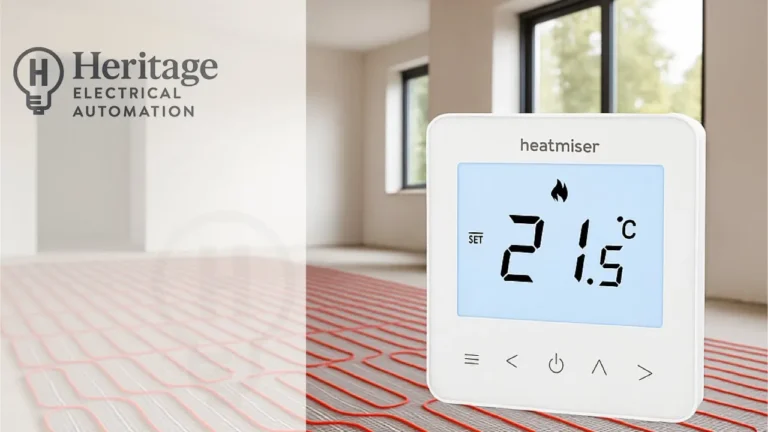
Heatmiser Neo Controls – Transforming a Dated Electric Underfloor Heating System
Take a look at how we transformed an out-dated electric underfloor heating system into an
Modern smart homes are built on control systems. Heating, lighting, shading, networks and renewable integration all depend on solid home network, reliable hardware and intelligent programming.
As experienced smart home installers, we work with a wide range of high quality technologies. We do not simply fit products. We design, configure and integrate them properly so they work reliably in real homes and businesses through Devon and UK.
Many of the systems below look different on the surface. Some are rebranded versions of the same core hardware. Others are complete all-in-one control ecosystems. What matters is understanding how they work together and how to make them perform properly.
If you are unsure which system you have, or whether it can be repaired or upgraded, just get in touch. We can quickly identify it and advise on the best next step.
Heritage Electrical Automation specialises in the design, installation and optimisation of advanced smart home and heating systems.
With over 20 years as a qualified electrician and more than 15 years in smart home automation, I work on properties where systems need to be designed properly, integrated correctly and made reliable long term. From large rural homes and period renovations to modern developments and business premises, every project begins with a detailed assessment of how the property is wired, powered and connected.
Many of the projects I undertake start after others have installed the equipment but cannot get it working as it should. Heating zones not communicating. Controls dropping offline. Renewable systems not integrating. Networks unstable. This is where specialist knowledge makes the difference.
As a NICEIC Approved Contractor, I handle complex electrical loads, multi zone heating, renewable integration and structured network design to professional standards. Systems are not simply fitted. They are engineered to work together.
If you are investing in smart home technology, it needs to be installed by someone who understands both the electrical infrastructure and the control systems behind it. That is what we do.
We're Specialists in These

Heatmiser is one of the most widely used smart heating control platforms in the UK, particularly for underfloor heating.
As a Heatmiser installer and specialist, we know that it is robust, flexible and well suited to multi-zone properties. When installed and programmed correctly, it provides excellent control via the Neo app and integrates well with wider smart home systems.
The issue is rarely the hardware. Most problems arise from poor installation, incorrect load handling or unreliable network configuration.
Heatmiser Neo and NeoHub systems
Electric and water underfloor heating controls
Retrofits and fault finding
Complex multi-zone properties

Nu-Heat are well known for their design and supply service for underfloor heating systems.
What many homeowners do not realise is that Nu-Heat thermostats and control systems are typically based on Heatmiser hardware and software. The interface may look different, but the underlying control architecture is often the same.
This means you do not necessarily need a “Nu-Heat only” specialist. You need someone who understands the control system properly.
App connectivity is unreliable
Zones are not responding correctly
Systems were installed but never optimised
Home networks are affecting performance

Wavin offer underfloor heating systems with integrated control platforms. Similar to Nu-Heat, many Wavin control solutions are based on established smart heating hardware.
These systems are common in new builds and larger renovations. Wavin systems are well engineered, but like any smart heating installation, performance depends on how well the controls and electrical infrastructure are configured. That is where we specialise.
Understanding the control logic is what matters.
Underfloor heating is not balancing correctly
Thermostats are not communicating
Home network issues are affecting remote access
Systems need upgrading or integrating with renewables


Solfex and Continal systems are widely specified in renewable heating and underfloor heating projects, particularly in properties with air source or ground source heat pumps.
These systems are often part of a wider energy strategy, which means the controls, electrical supply and zoning must be configured correctly to ensure efficiency and performance.
We work with these installations to ensure smart controls, renewable systems and electrical infrastructure operate together properly, delivering stable temperatures, efficient energy use and reliable long term performance.
The goal is not just to install equipment, but to ensure everything works together reliably.
Smart control integration
Electrical upgrades for renewable expansion
Network stabilisation
Multi-zone optimisation

Lutron RA2 and RA3 systems are high quality smart lighting and automatic blinds control platforms.
They are commonly installed in luxury homes where lighting scenes, shading and automation need to work seamlessly.
These systems require proper commissioning and network configuration. With a proven track record in smart home technology installations we stand as a trusted authority in the design and implementation of Lutron Automatic Window Blinds. Our team of experienced electricians ensures a meticulous installation process, tailored to your unique needs.
to ensure lighting and shading work alongside heating and wider smart home technologies.

Loxone is a fully integrated smart home platform designed to control heating, lighting, shading, security, audio and energy management through one central intelligent controller. Unlike individual smart devices that rely heavily on cloud apps, Loxone is engineered as a complete ecosystem where everything is designed to work together from the outset.
Loxone products cannot be purchased directly by homeowners. They are only supplied and installed through approved and trained partners. That is because Loxone is not a plug in product. It requires proper electrical design, structured wiring and careful system programming to perform as intended.
When designed correctly, Loxone creates a home that responds automatically to how it is used. Heating adjusts based on occupancy. Lighting scenes change throughout the day. Shading reacts to sunlight. Energy use is managed intelligently rather than manually controlled through multiple apps.
Loxone is best suited to properties where a fully integrated system is required rather than separate smart products layered on top of each other. The key is correct design at the beginning. That is where we focus our expertise.

Sonos is one of the most widely used multi-room audio platforms in the UK, known for its sound quality, reliability and ease of use. It allows music, radio and streaming services to be played throughout a property, either in individual rooms or synchronised across the entire home.
While Sonos products are simple to purchase, integrating them properly into a smart home environment requires careful planning. Audio systems rely heavily on strong network infrastructure. In larger properties, rural homes or buildings with thick walls, poor WiFi design can result in dropouts, delays or rooms falling out of sync.
When installed and configured correctly, Sonos becomes part of the wider smart home ecosystem rather than just a standalone speaker system.
In many cases, issues with Sonos are not caused by the speakers themselves but by the network they rely on. By designing the infrastructure correctly, audio performance becomes seamless and dependable.
Whether you are adding background music to selected rooms or designing whole-home audio as part of a larger automation project, the system needs to be engineered properly from the start.
Many homeowners are unsure which control system is installed in their property, particularly in holiday homes or purchased renovations.
If you are experiencing issues with:
Send a WhatsApp message with a photo of your controls and we can quickly advise.
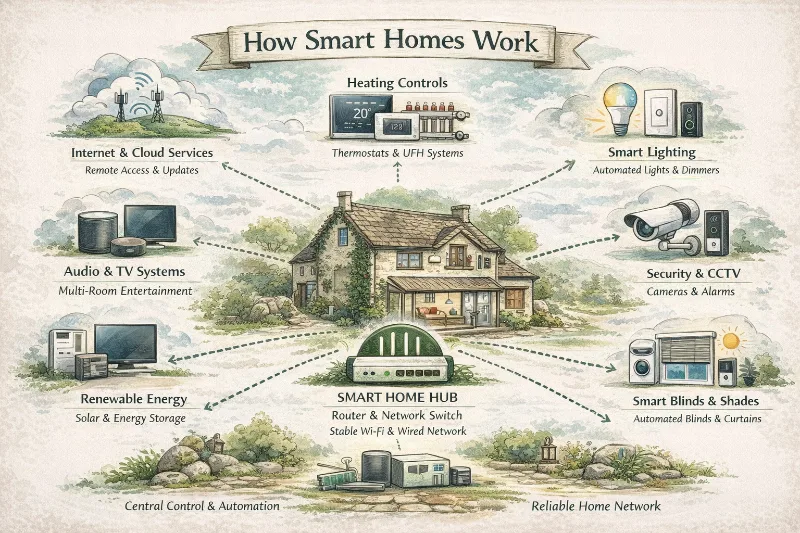
Smart home technology is the technology and systems within your home or business that can be monitored, controlled or automated using digital controls, apps or sensors.
This can include heating, lighting, blinds, security, audio systems and even energy management. Instead of operating independently, they communicate with each other and can be managed centrally.
In practical terms, it means your heating can adjust automatically, your lights can respond to darkness, and your home can be controlled remotely from your phone. When installed properly, it adds convenience, efficiency and reliability rather than complexity.
At its core, smart home technology works by connecting devices to a central control system through a wired or wireless network.
Each device, whether it is a thermostat, lighting controller or blind motor, communicates with a central hub or processor. That processor follows programmed instructions. For example, it might lower blinds at sunset, reduce heating when you leave the house or turn on pathway lighting when movement is detected.
The important part is not just the device itself but how it is wired, configured and networked. In rural areas, reliable connectivity is essential. Without a stable network and proper electrical installation, even the best equipment will struggle.
In real properties, especially larger homes, period buildings or rural sites, smart technology is not simply plug and play.
Systems are often layered. Heating controls may link to renewable energy systems. Lighting may integrate with shading. Security may connect to remote access platforms. All of this relies on:
Correct electrical load handling
Structured cabling
Reliable WiFi or wired networking
Careful programming
When designed properly, everything works in the background without constant adjustment. When installed poorly, it becomes frustrating very quickly. The difference is in the design and commissioning.
IoT stands for Internet of Things. It simply refers to physical devices that are connected to the internet and can send or receive data.
In a smart home, IoT devices might include thermostats, smart plugs, lighting controllers or sensors. These devices communicate with each other or with cloud services to provide remote access and automation.
However, not every IoT device makes a good smart home system. Many consumer devices work in isolation and rely heavily on cloud platforms. A properly designed smart home uses professional control systems, stable networking and secure configuration to ensure long term reliability.
Smart home installation should be carried out by someone who understands both electrical systems and control technology.
Heating engineers may install heating equipment. Electricians may install wiring. Network engineers may configure data systems. True smart home installation sits across all three.
As a fully qualified electrician with over 20 years experience and more than 15 years working with smart home and smart heating systems, I specialise in integrating these technologies properly. That includes heating controls, lighting systems, network infrastructure and renewable integration.
If you are considering smart home installation in Devon, Cornwall or elsewhere, the first step is understanding what you already have and what you want it to do. From there, a system can be designed that actually works long term.
Take a look at how we transformed an out-dated electric underfloor heating system into an
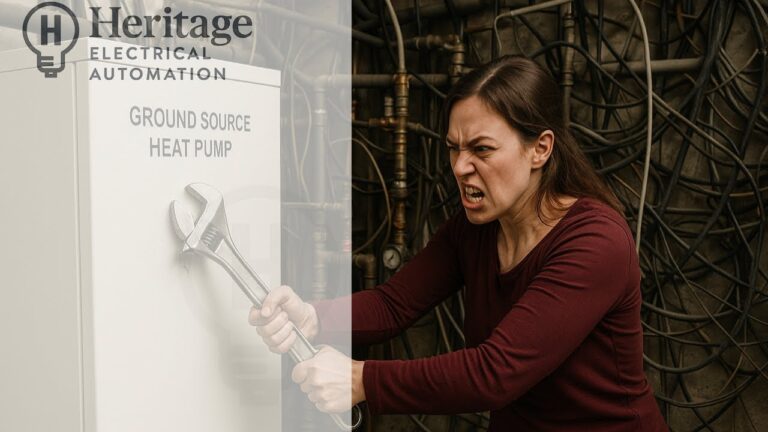
A reliable smart system always begins with the basics: good wiring, clear labelling, and properly
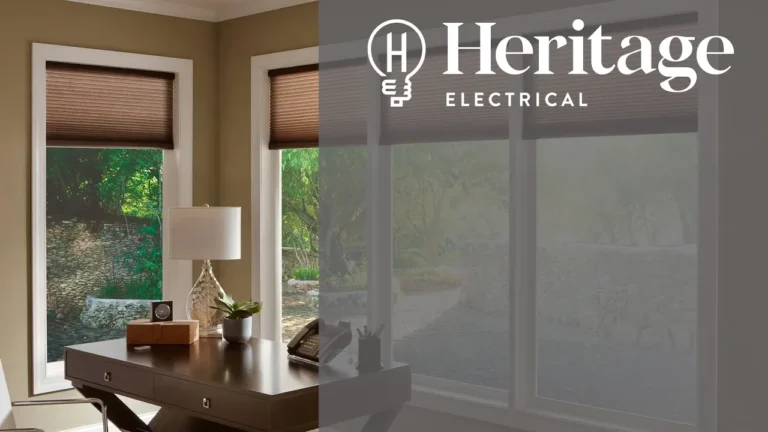
Take a look at this luxury Lutron Triathlon Automated Blind Installation. From spec, design and
Talk to us about your smart automation project and electrical installations. Although we work nationally, we cannot visit every home to quote, so we may ask you for video footage. Alternatively, start a conversation on What’sApp.